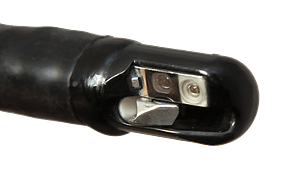
Dirty endoscopes are a real issue with all hospitals and surgery centers. 71% of reusable endoscopes labeled as “clean” tested positive for bacteria at three major U.S. hospitals, according to a recent study.
Endoscopes are very complicated equipment, and even when sterile process departments clean dirty endoscopes correctly, there is still a risk associated with these devices.
One study found problems in different types of endoscopes. Dirty duodenscopes are responsible for at least 35 deaths, and researchers have found that different types of endoscopes are related to infections.
The complicated design of many endoscopes makes effective cleaning difficult. Those problems increase when sterile processing skip steps or ignores the necessary procedures to have endoscopes ready for the next patient. A study identified issues with colonoscopes, bronchoscopes, ureteroscopes, gastroscopes, and other endoscopes.
Antibiotic-resistant superbugs such as CRE (carbapenem-resistant Enterobacteriaceae), which can be fatal in up to half of patients, has made addressing dirty endoscopes more urgent. Two million Americans are sickened by drug-resistant bacteria each year, and 23,000 dies, according to the Centers for Disease Control and Prevention.
A recent study examined 45 endoscopes and did a visual inspection to detect fluid and contamination on reusable endoscopes. They were marked ready for use on patients. 92% of the disinfected endoscopes tested positive for bacteria, including potential pathogens at some hospitals. These dirty endoscopes could potentially infect healthy patients.
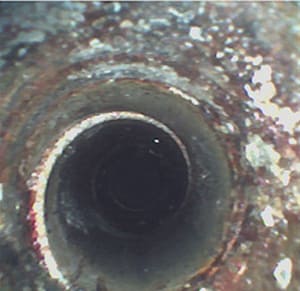
Endoscopes have long, narrow channels where blood, tissue, and other debris can get trapped. The only way to see inside narrow lumens and channels is with a borescope. If a sterile processing department does not have a borescope, it is impossible to view debris and contamination.
Today, numerous agencies recommend visual inspection of endoscopes and other medical devices. Examining the exterior with magnified light is recommended; however, a borescope visually inspects small channels and lumens. Without a borescope, sterile processing departments cannot say they are complying with industry recommendations to prevent dirty endoscopes labeled as “clean”.