Category: Best Practices

Read More

Infections Associated with Reprocessed Duodenoscopes

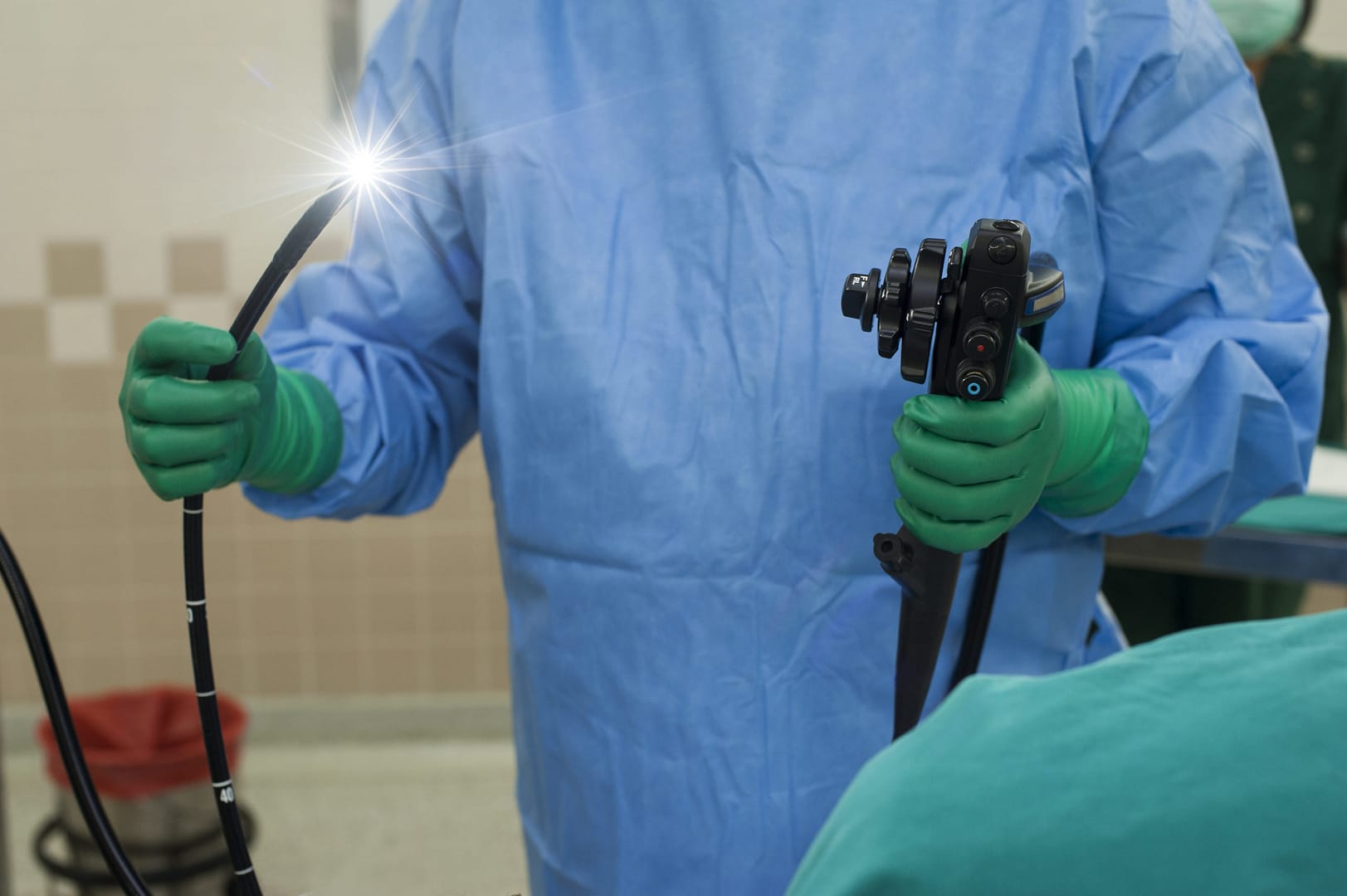
Duodenoscopes are flexible, lighted tubes that are threaded through the mouth, throat, and stomach into the top of the small intestine (duodenum). They are used during endoscopic retrograde cholangiopancreatography (ERCP), a potentially life-saving procedure to diagnose and treat problems in the pancreas and bile ducts. In the United States, duodenoscopes are used in more than 500,000 ERCP procedures each year.

Duodenoscopes are complex instruments that contain many small working parts. If not thoroughly cleaned and disinfected, tissue or fluid from one patient can remain in a duodenoscope when it is used on a subsequent patient. In rare cases, this can lead to patient-to-patient transmission of infection.

In fall 2013, the Centers for Disease Control and Prevention (CDC) alerted the FDA to a potential association between multi-drug resistant bacteria and duodenoscopes. Upon further investigation, it became clear that these cases of infection were occurring despite confirmation that the users were following proper manufacturer cleaning and disinfection or sterilization instructions.

FDA’s Ongoing Activities

Duodenoscopes are critical to diagnosing and treating severe, often life-threatening diseases. While the overwhelming proportion of procedures with these devices are carried out safely and effectively, the FDA takes the risk of infection very seriously and is working intensively to address it.

Ensuring the safety of reprocessed medical devices for use in multiple patients is a shared responsibility among the FDA and other federal agencies, public health systems, state and local health departments, medical device manufacturers, health care facilities, professional societies, and others. The FDA is actively engaged with many of these stakeholder groups to better understand the causes and risk factors for the transmission of infectious agents and develop solutions to minimize patient exposure.

In October 2015, the FDA ordered each U.S. duodenoscope manufacturer (Olympus, Fujifilm, and Pentax) to conduct postmarket surveillance studies (“522 study”) to better understand how these devices are reprocessed in real-world settings and their impact on duodenoscope transmitted infections. Postmarket surveillance studies are important tools for collecting useful data about a device that can reveal unforeseen adverse events, the actual rate of anticipated adverse events, or other information necessary to protect public health.

On February 26, 2018, the FDA, Centers for Disease Control and Prevention (CDC), and American Society for Microbiology (ASM), together with other endoscope culturing experts, released voluntary standardized protocols for duodenoscope surveillance sampling and culturing. These protocols are an update to the Interim Duodenoscope Surveillance Protocol released by CDC in March 2015, and address the concerns regarding validation of duodenoscope culturing protocols raised in ASM’s April 2015 Policy Statement on Culturing of Duodenoscopes. For health care facilities that choose to implement duodenoscope surveillance sampling and culturing, these protocols can be used to help monitor the quality of a facility’s endoscope reprocessing procedures. Adequate monitoring may reduce the risk of infection.

On March 9, 2018, the FDA issued Warning Letters to all three manufacturers (Fujifilm Medical Systems USA, Inc, Olympus Medical Systems Corporation, and Pentax of America), who make duodenoscopes sold in the U.S. for failure to provide sufficient data to address the postmarket surveillance studies requirements under Section 522 of the Federal Food, Drug, and Cosmetic Act (the Act). All three manufacturers responded to the warning letters and submitted plans that outlines how study milestones will be achieved including enrolling new sites and collecting samples.

On December 10, 2018, the FDA issued a Safety Communication to provide interim results from the ongoing mandated postmarket surveillance studies of duodenoscopes reprocessing.  Interim results from the ongoing postmarket surveillance studies indicate higher than expected contamination rates after duodenoscope reprocessing.  Facilities and staff that reprocess duodenoscopes are reminded of the importance of manual cleaning prior to disinfection or sterilization and proper servicing of duodenoscopes.

On April 12, 2019, the FDA issued a Safety Communication to provide an update on the postmarket surveillance study results for duodenoscopes used in Endoscopic Retrograde Cholangiopancreatography procedures (ERCP) since the December 2018 Safety Communication.  The FDA is also reminding health care facilities about the importance of strictly adhering to the manufacturer’s reprocessing and maintenance instructions, following best practices, and reporting adverse event information to the FDA.

On August 29, 2019, the FDA issued a Safety Communication to provide an update on the mandated postmarket surveillance study results for duodenoscopes used in ERCP since the April 2019 Safety Communication. This Safety Communication also provides additional recommendations and updates including the FDA:

Recommending that hospitals and endoscopy facilities begin transitioning to duodenoscopes with innovative designs that facilitate or eliminate the need for reprocessing.

Issuing new mandated postmarket surveillance study orders to manufacturers of duodenoscopes with disposable endcaps to gather more information and verify that the new designs reduce the contamination rate. Upon completion of the postmarket surveillance studies, the FDA expects the labeling on duodenoscopes with disposable endcaps to be updated with contamination rate data.

Warning health care facilities that adenosine triphosphate (ATP) test strips should not be used to assess duodenoscope cleaning. To date, the FDA has not evaluated them for effectiveness for assessing duodenoscope reprocessing. Manufacturers of ATP test strips are advised to submit data to support the legal marketing of these strips for this use.

Planning to convene the General Hospital and Personal Use Device Panel of the Medical Device Advisory Committee in late 2019 to further discuss duodenoscope reprocessing.

The FDA continues to actively:

Encourage innovative device designs to make it possible to transition away from fixed endcap duodenoscopes to those with more modern design features that facilitate or eliminate the need for reprocessing. 

Learn about the challenges with current reprocessing methods and supports expanding the types of validated methods available to reprocess duodenoscopes.

Evaluate information from multiple sources, including medical device adverse event reports submitted to the FDA, the medical literature, the health care community, professional medical societies, international public health agencies, federal partners and state and local governments.

Communicate recommendations to health care providers and end-users to mitigate the risk associated with infection transmission.

Work with industry as they modify and validate their reprocessing instructions to enhance the safety margin of the methods used to clean, disinfect and sterilize the duodenoscope, specifically all three companies that manufacture duodenoscopes marketed in the US and manufacturers of Automated Endoscope Reprocessors (AERs) marketed in the US that reprocess duodenoscopes as stated in their labeling.

Investigate firms that manufacture duodenoscopes (Olympus, Fuji, Pentax). The FDA issued 483s and Warning Letters describing violations to the Federal Food, Drug, and Cosmetic Act to all three manufacturers and 510(k) status letters to two duodenoscope manufacturers (Fuji and Pentax).

Evaluate the effectiveness of current duodenoscope reprocessing instructions in health care settings.

Collaborate with health care facilities, professional societies, and federal partners to evaluate additional strategies for mitigating infections associated with duodenoscopes.

The FDA will continue to provide additional information to the public as new information becomes available.

Source: FDA.gov
Read More

Using Borescopes In The Sterile Processing Department

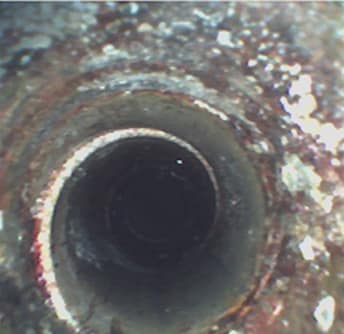
The use of flexible borescopes to inspect inside medical instruments and endoscope lumens is a recent advancement. The use of a borescope for sterile processing makes it easier for technicians to visually inspect lumened instruments, endoscopes, and arthroscopic shavers. Incredibly small diameter borescopes (.5mm) allow sterile processing technicians to inspect all instruments. In the past, it was impossible to visually inspect medical instruments and endoscope lumens after cleaning. With the aid of a borescope, a sterile processing technician can quickly see if there are any leftover bioburden and damage to the lumen.

Today borescopes designed for sterile processing have large high-resolution displays, a choice of interchangeable probes, video recording, still image capture, and text annotation. The Endoinspect is the first borescope design from the ground up for use in the sterile process department. The EndoInspect gives sterile processing technicians the ability to visually inspect all of their medical instruments and endoscopes with a choice of 5 different diameter borescopes. Your sterile processing department will be able to visually inspect the following:

Read More

FDA: Duodenoscope Cleaning Still a Problem

 WASHINGTON — Aggressive efforts by the FDA and manufacturers of duodenoscopes in recent years have not succeeded in eliminating bacterial contamination problems with the devices after reprocessing, the agency said in a Safety Communication issued late Monday.

Following revelations in 2015 that scores of patients had developed abdominal infections following endoscopic retrograde cholangiopancreatography (ERCP) procedures using reprocessed duodenoscopes, the FDA ordered manufacturers including Olympus, Fuji, and Pentax to upgrade their recommendations for post-procedural cleaning and to conduct regular testing to determine how well the procedures are working.

“Interim results from these studies indicate higher-than-expected contamination rates after reprocessing, with up to 3% of properly collected samples testing positive for enough low concern organisms to indicate a reprocessing failure and up to 3% of properly collected samples testing positive for high concern organisms,” the agency said in the Monday statement. “High concern organisms” include E. coli, Pseudomonas aeruginosa, and others associated with the disease, the FDA explained.

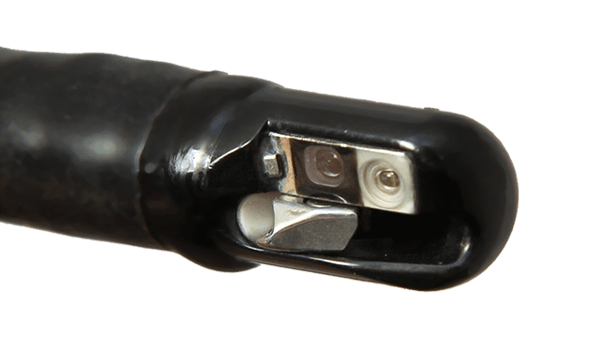
An FDA advisory committee meeting in 2015 agreed that duodenoscopes for ERCP procedures cannot be completely sterilized in every case — they contain hinged parts such as elevators at the working tip where organisms may lodge and evade removal or killing. Small cracks and other forms of damage can also occur with repeated use, which can also complicate thorough cleaning.

Yet while calling the reusable devices inherently unsafe, panel members also reluctantly irreplaceable for patients with pancreatic disease. Manufacturers had not then, and still have not, developed single-use instruments that are sufficiently economical for clinicians and payers.

In the new statement, the FDA advised endoscopy clinics that automated reprocessing is not sufficient. The agency said staff should “[m]eticulously clean the elevator mechanism and the recesses surrounding the elevator mechanism by hand, even when using automated endoscope reprocessors” (emphasis added). It also emphasized visual inspection for remaining debris or damage after reprocessing and again prior to use.

Clinics should also develop “a comprehensive quality control program [that] should include written procedures for monitoring training and adherence to the program, and documentation of equipment tests, processes, and quality monitors used during the reprocessing procedure.”

Separately on Monday, federal prosecutors obtained a guilty plea from an Olympus subsidiary to settle criminal charges that the company failed to report infections it knew about that were related to the use of its duodenoscopes. The firm agreed to pay an $80-million fine as part of a plea deal.

Problem— “Higher-than-expected contamination rates after reprocessing” in recent studies

by John Gever, Managing Editor, MedPage Today

December 11, 2018

Read More

What is Sterile Processing?

The Sterile Processing Department (SPD), also known as the Central Sterile Services Department (CSSD), is the area in a hospital where cleaning and sterilization of devices used in medical procedures takes place. The processes an instrument goes through in the CSSD depends on its use, material construction, and other factors. Typically, an instrument coming from the Operating Room arrives at the Decontamination area to be manually cleaned, then placed in an ultrasonic cleaner or sonic irrigator before being placed into a washer/disinfector. Next, the instrument would be transported to a Prep & Pack area to be prepared for sterilization. It will then be sterilized through one of many types of sterilization processes. Once sterilized, the instrument will either be sent back to a procedure room to be used again, or into sterile storage until it is needed again for a procedure. Sterile Processing Department Technicians are required to wear Personal Protective Equipment (PPE) as a safety precaution to prevent exposure to potentially infectious bacteria.

1 THE DECONTAMINATION PROCESS

Soiled instruments from the OR are first taken to the decontamination area to be cleaned of gross soils and inspected for damage. The decontamination process is an important stage in device reprocessing because an instrument or device cannot be sterilized until fully clean. In the decontamination process, soiled instruments are sorted, inspected and if necessary, disassembled. Instruments are first manually cleaned. Depending on the device, they may then go through an automated washing process following manual cleaning. The reasons CSSD staff may choose to manually clean a device/instrument include: The OEM recommends the device be manually cleaned Hospital policy dictates the device must be manually cleaned and then processed in an automated washer/disinfector

Delicate instruments or powered equipment may not be suitable to be processed in an automated washer/disinfector
The hospital may not have a washer/disinfector
Manual cleaning requires either a two-bay sink or three-bay sink. In a three-sink method, each bay plays a role in the cleaning process.1 Sink 1: Instruments are immersed in an enzymatic solution to begin breaking down soils
Sink 2: Instruments are immersed in a detergent solution and manually brushed
Sink 3: Instruments are thoroughly rinsed with clean, treated water

If a two-bay sink is being used, the process combines the enzymatic solution and detergent solution in one bay. The second bay contains clean, treated water as with the three-bay sink. If cleaning a lum

ened instrument or device, a brush or flushing with pressurized water may be used to loosen soils. Lubricant may be applied after manual cleaning. Explore our Decontamination Sinks

The reasons CSSD staff may choose to mechanically clean a device using an ultrasonic cleaner or irrigator and a washer/disinfector include: Washer/disinfectors offer increased productivity compared to staff manually cleaning Washer/disinfectors provide a consistent, repeatable cleaning process so staff can be sure devices are thoroughly cleaned every time
One form of mechanical cleaning is ultrasonic cleaning. Ultrasonic cleaners clean instruments through acoustic cavitation, which forms air bubbles that implode on an instrument’s surface. These air bubbles can reach small crevices and hard-to-reach areas on a device. Ultrasonic cleaners are typically used to clean devices that may be sensitive to damage, and are too delicate for a traditional washer/disinfector. Ultrasonic cleaners have two chambers, and may come in a variety of sizes and types depending on the department’s need: freestanding, tabletop, large capacity, etc.

Explore our Ultrasonic Cleaners

The mechanical cleaning process may also be done via automated washer/disinfectors, which are available as single-chamber or multi-chamber. The washer/disinfector combines impingement, water temperature, and detergent to clean devices.

Explore our Washer/Disinfectors In both ultrasonic cleaner and washer/disinfector processes, cleaning indicators are often used to monitor and evaluate the performance of the wash cycle.

THE STERILIZATION PROCESS

Once the instrument has been manually cleaned, mechanically cleaned, or both, it will be sent to the preparation and packaging area of the SPD. Once the instrument pack has been prepped for sterilization, it is ready to be sterilized through one of many methods of sterilization. The main methods of medical instrument sterilization include:1 Steam Sterilization – Steam sterilization is the predominant form of sterilization in SPDs. A steam sterilizer, also known as an autoclave, is suitable for sterilizing heat and moisture-stable items. Steam sterilization cycle types include gravity, pre-vacuum and SFPP (Steam Flush Pressure Pulse). Cycle time varies according to cycle type, load weight and density and other variables such as exposure and drying time. At the end of the sterilization cycle, the SPD technician reviews the sterilizer printout to verify if all sterilization parameters have been met.

Biological and chemical indicators are used to monitor the sterilization process and indicate if the load was exposed to the appropriate conditions to achieve sterility. Explore our Steam Sterilizers Low Temperature Sterilization – Other forms of sterilization may include low temperature sterilization methods like ethylene oxide (EtO), vaporized hydrogen peroxide, liquid chemical and ozone. Ethylene Oxide Sterilization consists of five stages – preconditioning and humidification, gas introduction, exposure, evacuation, and air washes – and takes about 1 – 4.5 hours. Aeration time makes the cycle time longer – an additional 12 – 36 hours.

Vaporized Hydrogen Peroxide Sterilization, Also known as hydrogen peroxide gas sterilization, is a low temperature sterilization process commonly used to sterilize heat-sensitive devices. A hydrogen peroxide sterilization process involves H2O2 vapor filling the sterilization chamber, contacting and sterilizing exposed device surfaces. Once the sterilization cycle has completed, the vapor is removed from the chamber and converted to water and oxygen.

Liquid Chemical Sterilization provides safe and effective reprocessing of heat-sensitive, critical and semi-critical devices such as duodenoscopes and other complex endoscopes.

Ozone Sterilization is one of the newest of the sterilization methods. With an extra oxygen atom attached to the molecule, ozone is able to destroy microbes to sterilize devices. Ozone leaves no chemical residue and there are no toxic emissions.
STERILITY ASSURANCE Ensuring that an instrument is sterile and safe to use is vital to the reprocessing cycle. Sterility assurance monitoring can be done through various forms of test packs, chosen based on the type of sterilization process used or parameters being measured. A passing biological and chemical indicator test confirms that specific parameters of a sterilization cycle were met. Some types of sterility assurance products include:

1 Biological Indicators – Biological indicators (BI) are designed to challenge the lethality of a sterilization process to kill bacterial spores. Biological indicators are used within process challenge devices or challenge packs for routine monitoring, load monitoring and qualification of the sterilization systems. The frequency for using biological indicators is based on the standards, the manufacturer’s instructions for use and the facility policies and procedures. A passing BI result indicates that the load can safely move on to sterile storage or the OR. Chemical Indicators – Chemical Indicators (CI) may be applied externally or internally to the package container. External chemical indicators, also called process indicators, show that the set has been fully exposed to the sterilization process. Internal chemical indicators, which come in a variety of forms, are placed in the most challenging area of the set and are read by OR staff to confirm that sterilant penetrated the load.

Bowie Dick Test – Bowie Dick Tests are required for steam sterilizers with a pre-vacuum cycle to check the efficiency of the air removal and steam penetration in the chamber. This test must be run daily before any pre-vacuum cycles are run.